

Reaching CASAS STEPS Level E is an outstanding accomplishment. ESOL 5 and ESOL 6 students who arrive at this level have already proven their ability to handle complex texts, academic reading, and workplace materials. This is the final step before college-level classes or professional programs. You deserve recognition for the effort it takes to reach this point, and you also deserve a clear understanding of what to expect on the CASAS Reading Level E test.
At this advanced level, the questions are more challenging, the texts are longer, and the reading tasks mirror real-world scenarios. According to the official CASAS website, the test focuses heavily on Texts, Emails, Articles, and Narratives but also includes Forms and Signs, Ads, and Labels. Below, we’ll break down each task area, give you practical tips, and show examples taken from our website esolsteps.com.

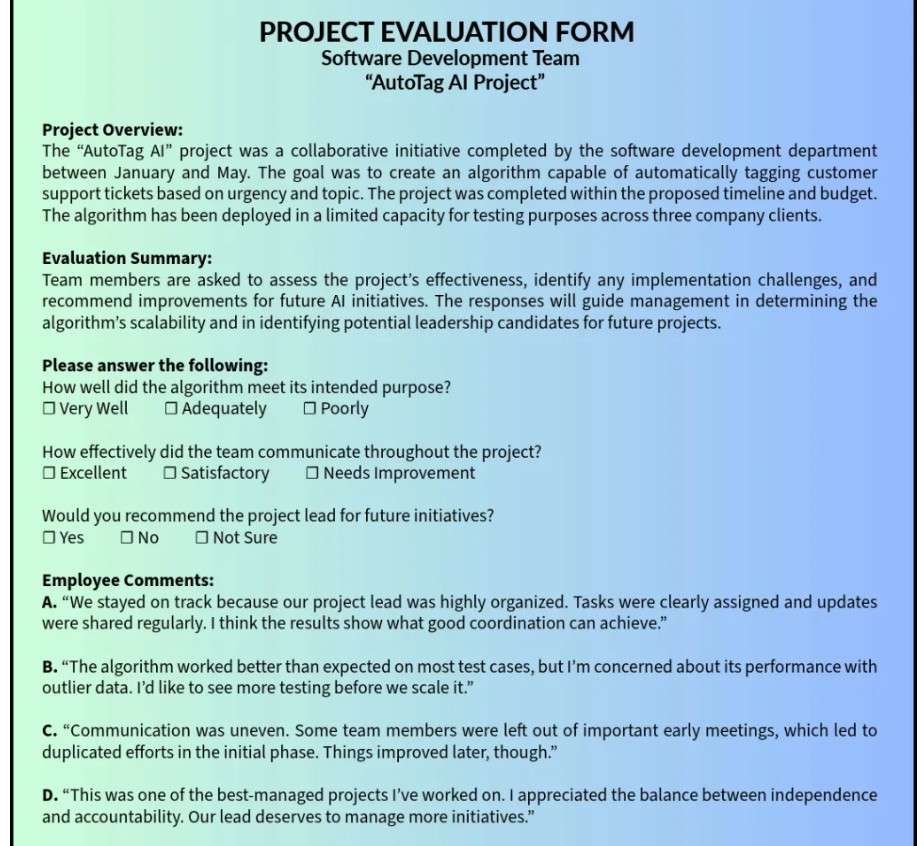
Task Area 1: Forms (15%)
About 5 to 6 questions on the CASAS STEPS Reading Level E test come from forms. These forms are more detailed than at lower levels. Instead of simply asking for a date or phone number, you might need to read carefully to find policy information, match details from one section of the form to a question, or recognize what piece of data belongs in a specific field.
Tip: Don’t rush. Skim the entire form before looking at the question, so you understand its purpose (e.g., medical, employment, or rental application).

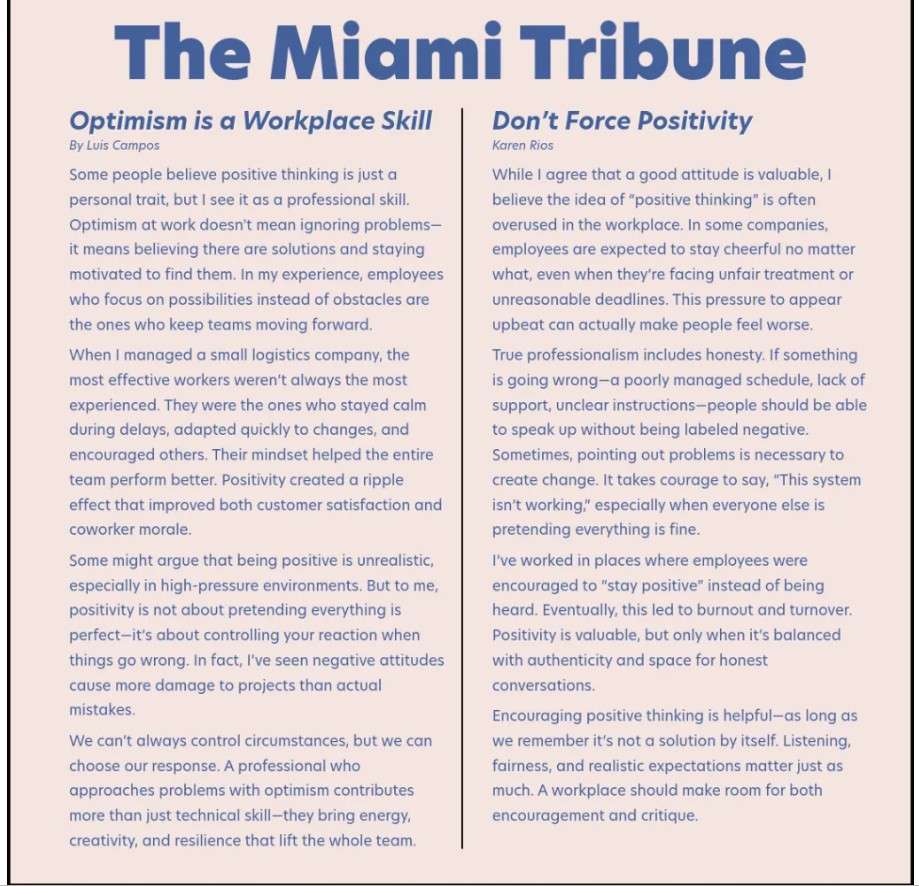
Task Area 3: Texts, Emails, Articles, and Narratives (67%)
This is by far the largest section, making up about 24 questions. At the CASAS STEPS Reading Level E, these texts are longer and denser, often with 2–4 paragraphs per item, including emails, like the one below. You’ll encounter workplace memos, long comparative articles, personal narratives, and professional emails. The questions may ask for the main idea, tone, author’s purpose, or to identify missing or excluded information.
Tip: Read the question first, then skim for key words in the passage. This prevents you from getting lost in long texts. Pay attention to transition words (however, in contrast, on the other hand) — they often hold the clue to the correct answer. Be careful with comparative articles. They can ask a question like “What is something none of the authors mentions?”, which is very tricky.



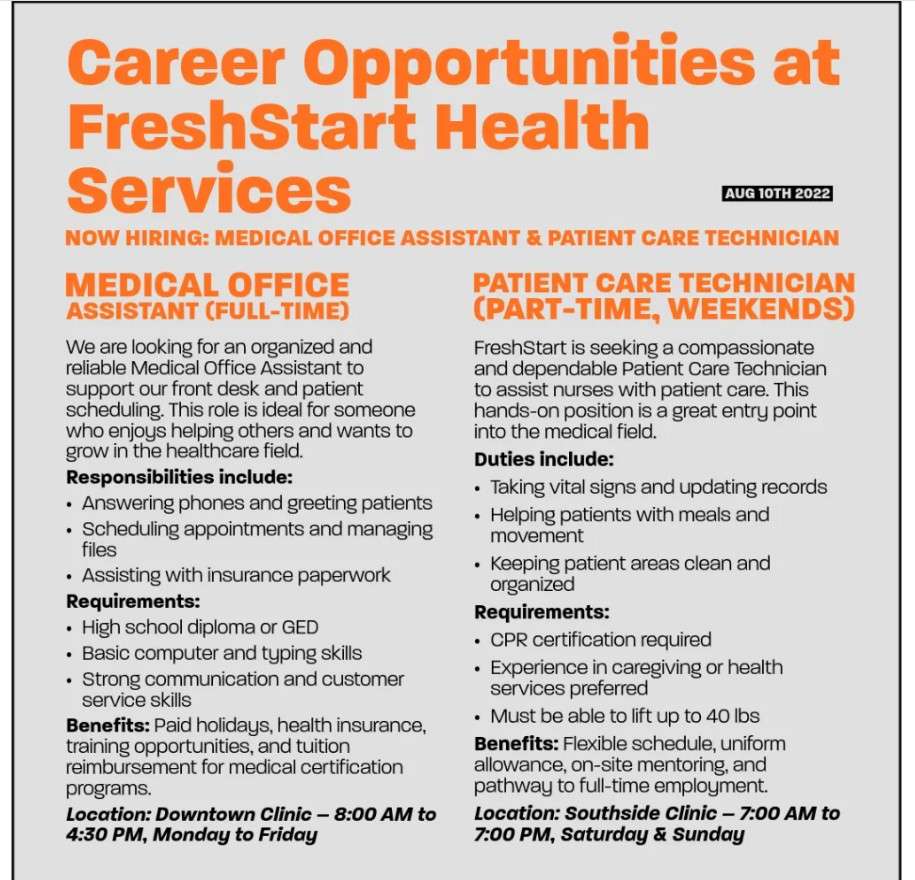
Task Area 4: Signs, Ads, and Labels (18%)
About 6 questions on the CASAS STEPS Reading Level E test come from this category. The difference from Level A or B is that these signs and ads contain much more information. A Level A sign might only show a picture of a bus with a simple question, but a Level E ad may include multiple details such as hours of operation, disclaimers, or fine print. Questions often check your ability to identify correct details or compare two pieces of information, like the job ad below.
Tip: For signs and labels, scan carefully for numbers, dates, and conditions. For ads and posters, focus on the purpose — is it trying to sell, inform, or warn?

Final Thoughts about CASAS STEPS Reading Level E
The CASAS STEPS Reading Level E test is not only about language — it’s about critical thinking. Students must read between the lines, identify subtle differences, and handle real-world materials like professional forms, workplace memos, and complex articles. If you’ve reached this level, you’ve come a long way. Keep practicing with our Level E Reading and Listening Quizzes and review the other Task Area Overview Blog for strategies across all levels.
For more details, visit the official CASAS website.
Great resource! This post explains CASAS Reading Level E very clearly, with useful examples and tips for ESOL 5 and 6. It’s a big help for students preparing for the test. Thanks for sharing!
Each article posted on the blog offers support for reinforcing English learning. The one posted above leaves instructions and examples of how the level will be evaluated upon completion. It is great and brilliant.
Thanks for your tips, I consider it is very important. I will practice so much for pass the exam.
This going to be the most helpful information for pass my casasteps test . Grateful with this blog !
It’s an interesting and enriching analysis. I will practice so much.
I like so much these areas, because I learned from it.
Very useful web page. If you want to pass the exam you should practice here…!
There are many instructions and examples that you might to take practice a lot and understand what you do.
Thanks to bring us this excellent material.
Fantastic
Fantastic website!!!!!!
Thanks for this information!
Thank you!!
Everything is well organized, easy to navigate, and very professional. The information is clear and helpful, and I was able to find exactly what I was looking for without any confusion.
What I really appreciate is the quality and attention to detail. It shows that a lot of effort and care went into creating this platform. The design is clean, modern, and user-friendly.
I highly recommend this page to anyone looking for reliable and valuable content. I will definitely keep coming back!
That’s amazing! Thank you for the information. Now I can understand everything.
Excellent information, this article helps me to understand the exam!
Thanks for this amazing information . If you read this website you will stay ready for the final test.
Fantastic article, I can understand what is the best way for take the test.
CASAS STEPS is a wonderful opportunity for students around the world to learn, grow, and improve their English skills. It provides high-quality resources completely free, making education accessible to everyone. I encourage all learners to take advantage of this amazing platform.
I like it and it’s neccesary.
It explains in detail, step by step, the different ways of asking questions and the different areas you will face in the exam, making it easier and more organized for you.
Thanks for this amazing information . If you read this website you will stay ready for the final test..
Esto son ayudas que se pueden ayudar para mejorar en el idioma del inglés y su vez es una herramienta para ayudarnos a estudiar inglés.
this is very good website to help for exam
this is the very good information ofr the real life because it teaches us how to understand a lot of thinks about everyday life.
This information is very important, helps make the most of your time and answer correctly